


Why Am I Still Anxious If I Trust God?

What anxiety does—and does not—say about your faith

I grew up in church in the 1980s. Back then, many evangelical churches were influenced by what we broadly called “holiness” teaching. The rules were serious, the hair was higher than some of the church steeples, and I’m fairly certain Aquanet was being purchased by the case. At the time, I thought all of this was simply Christianity.

Well, that’s not exactly true. I was quite the rebel. While other teenagers were finding more interesting ways to question authority, I was internally cross-examining the sermon. When preachers talked about holiness, I looked it up for myself. I wanted to know what the Bible actually said, not just what I was being told it said.
Biblically, holiness means being set apart for God. It describes belonging to God and becoming increasingly formed by his character. It should produce love, integrity, mercy, humility and a life that reflects Christ. However, that was not always how holiness was presented in the churches many of us experienced.
Holiness often became a list of visible behaviors used to decide who was—and was not—a good Christian. Don’t drink. Don’t smoke. Don’t wear this. Don’t listen to that. Don’t go there. Follow the rules, be good and make sure nobody questions your salvation.
Even as a girl, I remember thinking, This doesn’t quite make sense with what I am reading. (I mean, hello, Galatians 5?)
So I asked questions. I studied. I worked out much of my faith behind closed doors, where I could wrestle honestly with what I believed and why. Meanwhile, many of my friends simply tried to be good. They followed the rules, suppressed their questions and white-knuckled their way through anything that didn’t fit the picture of a faithful Christian.
But, like all of us, they struggled. And when they did, they assumed they had disappointed God.
When Faith Becomes a Performance
That is what rule-based religion can do. It often changes our perception of God. Instead of knowing God as someone we can trust, we experience him as someone we must continually impress. We imagine him watching for mistakes, measuring our behavior and waiting for us to get ourselves together. Faith becomes a performance.
Then the worst thing happens: we mistake other Christians for God.
We assume their disappointment is God’s disappointment. Their discomfort with our questions becomes evidence that God is uncomfortable with them too. Their inability to sit with our pain convinces us that God wants us to hurry up and get over it. This becomes especially damaging when Christians experience anxiety or depression and begin to believe their mental health is evidence of weak faith.
Then the message gets absorbed that anxiety and depression reveal a spiritual problem. If you trusted God enough, you wouldn’t be anxious. If you prayed harder, read your Bible more and practiced gratitude, you would be happy.
Sorry—joyful. That’s the approved Christian terminology.
Now you don’t just have anxiety. You have shame about having anxiety.
Why Am I Still Anxious If I Trust God When the Bible Says Not to Worry?
If you’ve ever asked, “Why am I still anxious if I trust God?” you may be thinking about several familiar Bible verses. After all, Scripture does tell us not to be anxious.
Paul writes, “Do not be anxious about anything” in Philippians 4:6. Jesus says, “Do not worry about your life” in Matthew 6:25. First Peter 5:7 tells us to cast our anxiety on God.
Pulled out of context, these verses can sound like reprimands:
Stop worrying.
Try harder.
If you trusted God, you wouldn’t feel this way.
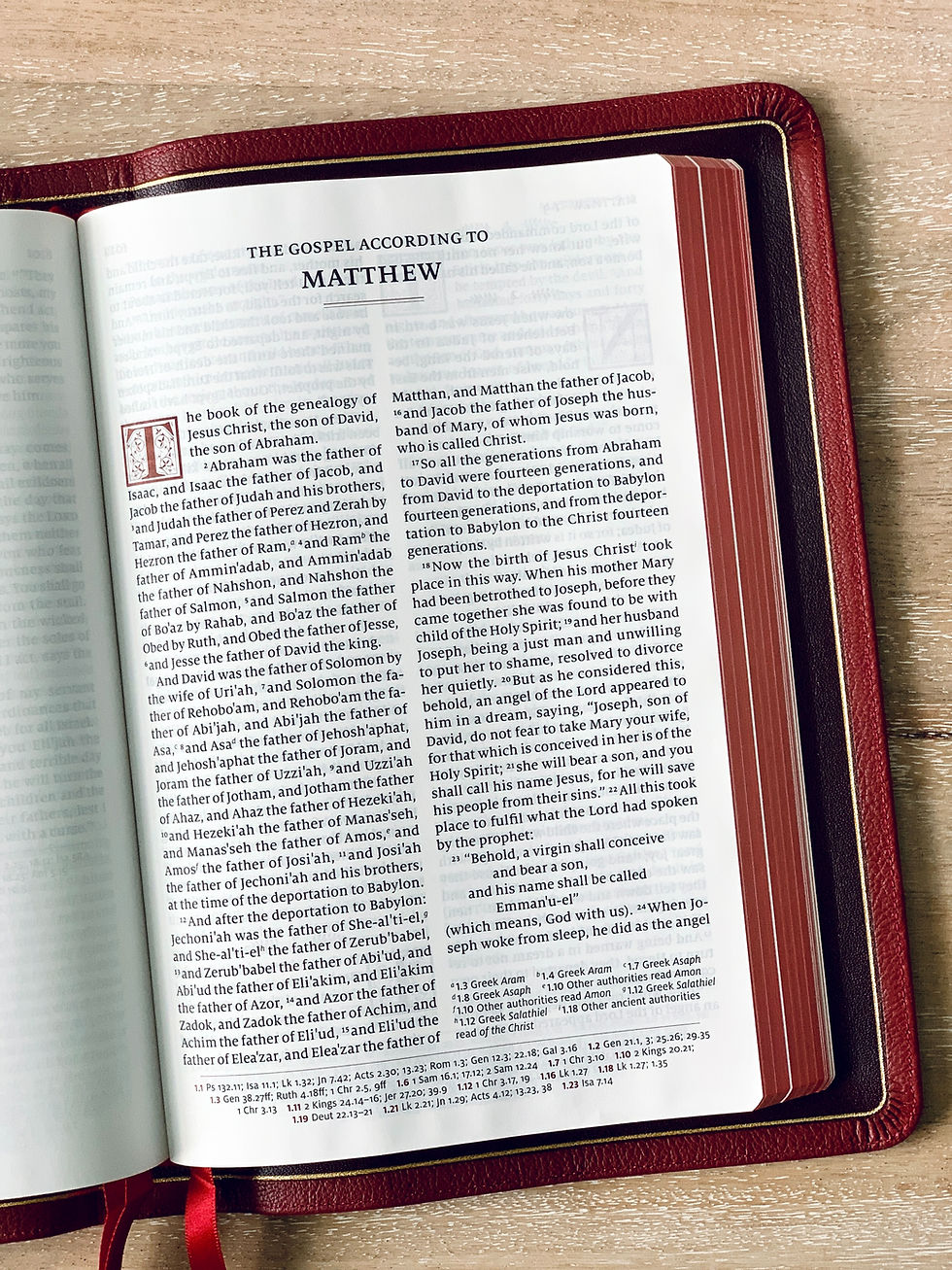
But these passages are invitations, not accusations.
Jesus directs anxious people toward the care of their Father. Paul tells us what to do with anxiety: bring our requests to God. Peter tells us to give God our anxiety because he cares for us.
Scripture also refuses to pretend that faithful people never experience emotional distress. Paul described being under such intense pressure that he “despaired of life itself.” Elsewhere, he wrote of “conflicts on the outside, fears within.” In Gethsemane, Jesus said, “My soul is overwhelmed with sorrow to the point of death.” He didn’t hide his anguish. He asked his friends to stay with him while he prayed.
The Bible presents emotionally honest people—not spiritually polished people who never feel afraid. Faith does not require us to deny what is happening inside us. Faith gives us somewhere to bring it.
Anxiety Is More Than a Thought
Anxiety is a mind-and-body response to perceived threat.
Your brain and nervous system are continually asking: Am I safe? Is something wrong? What do I need to prepare for?
Most of this happens automatically. Your nervous system does not review your theology, check your church attendance or confirm that you completed your morning devotional before sounding the alarm.
Your heart races, your breathing changes and your muscles tighten. Your stomach joins the conversation despite not being invited, and your attention begins scanning for everything that could go wrong. Anxiety is nothing if not thorough.
According to the National Institute of Mental Health, anxiety is the body’s response to stress and can continue even when no immediate threat exists. Anxiety disorders involve more than occasional worry. The anxiety persists, occurs across situations or begins interfering with daily life. You can intellectually believe God is with you while your body is still producing an alarm response.
Where Did My Nervous System Learn This?
For many people, anxiety begins before they have words for it.

Some of us are born with more sensitive temperaments. Others grew up with an anxious parent and learned—without anyone intentionally teaching us—that the world requires constant preparation.
Children are tiny nervous-system apprentices. They watch how adults respond to mistakes, conflict, uncertainty and change. Then they practice what they have seen.
This does not mean anxious parents are bad parents. Most are trying to protect their children while managing nervous systems that never felt particularly safe themselves. Anxiety can travel through families through genetics, temperament, observation and repeated experience.
Trauma can also teach the nervous system to remain alert. Trauma may involve a catastrophic event, but it can also include chronic instability, emotional neglect, bullying, abuse, unpredictable caregiving or repeated criticism.
If you learned that something painful could happen without warning, vigilance may have helped you survive. You watched people’s faces, noticed changes in tone, avoided mistakes, stayed agreeable or tried to keep everyone happy. Today, those responses may look like overthinking, perfectionism, people-pleasing, difficulty resting or constantly expecting something to go wrong.
Your nervous system learned those patterns for a reason. It may continue using them long after the original danger has passed.
What If I Never Learned to Regulate Anxiety?
Children are not born knowing how to regulate intense emotions. They initially borrow regulation from safe adults. A responsive caregiver helps a child make sense of distress: You’re scared. I’m here. We can handle this together. Through repeated experiences of comfort, children gradually build their own capacity to manage fear and uncertainty.
This is called co-regulation.
But what if the adults around us were overwhelmed too? What if emotions were dismissed, punished or spiritualized? What if we were told to stop crying, calm down, pray harder or be grateful because someone else had it worse? We may have learned to suppress anxiety without learning to regulate it.
Suppression says, I shouldn’t feel this. Regulation says, I feel this, I understand what is happening, and I have ways to respond.
Many adults are learning these skills while working, parenting, paying bills and trying to remember whether they moved the laundry into the dryer. Again.
That isn’t spiritual failure. It is a skill gap—and skills can be learned.
Why Doesn’t Knowing the Truth Make Anxiety Disappear?
Because knowing something intellectually and experiencing safety physiologically are related, but not identical. You may know God loves you and still brace for rejection. You may know you are forgiven and still feel compelled to perform. You may believe every word of Scripture and still have an anxiety disorder.
We sometimes treat the brain like a computer: enter the correct Bible verse, press return and expect anxiety to disappear. But Philippians 4 is not a spiritual version of Control-Alt-Delete. A nervous system that has spent years anticipating danger needs repeated opportunities to experience safety, tolerate uncertainty and discover that difficult emotions can be survived.
That process may include prayer, Scripture and Christian community. It may also include counseling, medication, sleep, movement, breathing practices, medical care and healthy boundaries.
God is not threatened by the ways human beings heal. He's the one who created us right? None of this comes as a surprise to Him.
What Can Help?
Begin by telling the truth. Not “fine,” “busy” or even “blessed” when the more accurate answer is, “I’m barely holding this together, but people are standing nearby.”
Notice what anxiety is doing in your thoughts and body. Practice grounding, slower breathing and compassionate curiosity rather than immediately judging yourself. Let prayer become a relationship again instead of a test you must pass by producing the correct emotional state.
Allow other people to help. Galatians 6:2 tells us to carry one another’s burdens. We cannot do that while everyone pretends not to have any.
And seek appropriate treatment. You can love Jesus and see a therapist. You can trust God and take medication. You can memorize Philippians 4 and still need help when your nervous system pulls the fire alarm because an email begins with, “Do you have a minute?”
How Are You—Really?
Many of us learned to give acceptable answers before we learned to give honest ones. In church, we may have learned that being faithful meant looking peaceful, joyful and certain.
But pretending everything is okay is not the same as trusting God.
You can say:
I love God, and I feel anxious.
I believe, and I am struggling.
I am grateful, and I am hurting.
I trust God, and I need help.
Your anxiety is not a verdict on your faith. It is an experience asking for care and attention.
Perhaps the question is not, “Why am I still anxious if I trust God?”
Perhaps it is:
Can I trust God enough to be honest about how I am really doing?
Take the Next Step
If anxiety is affecting your sleep, relationships, work, faith or ability to enjoy your life, you do not have to sort through it alone.
Every Girl Living offers faith-informed counseling that respects both your spiritual beliefs and the psychological and physical realities of anxiety. Schedule a free consultation to explore what kind of support may be right for you.


Comments